This Model Provides a Better Way to Learn

Published on
August 23, 2022
5 min read

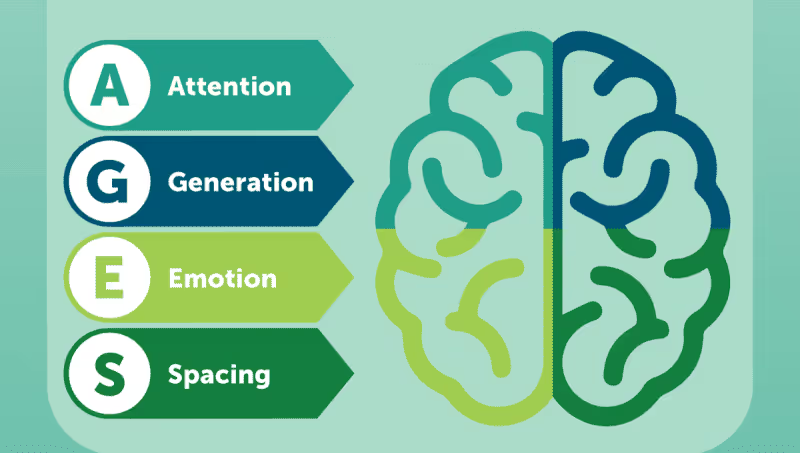
We have written extensively about learning design, from the power of the everyone-to-everyone method to the surprising benefits of virtual learning. But regardless of the approach, our research shows that the best way to set the conditions to help individuals learn quickly and retain information long term is to follow The AGES Model™, which stands for attention, generation, emotion, and spacing. Here are some interesting facts about each component of the model and some tips to help you set the conditions for better learning outcomes.
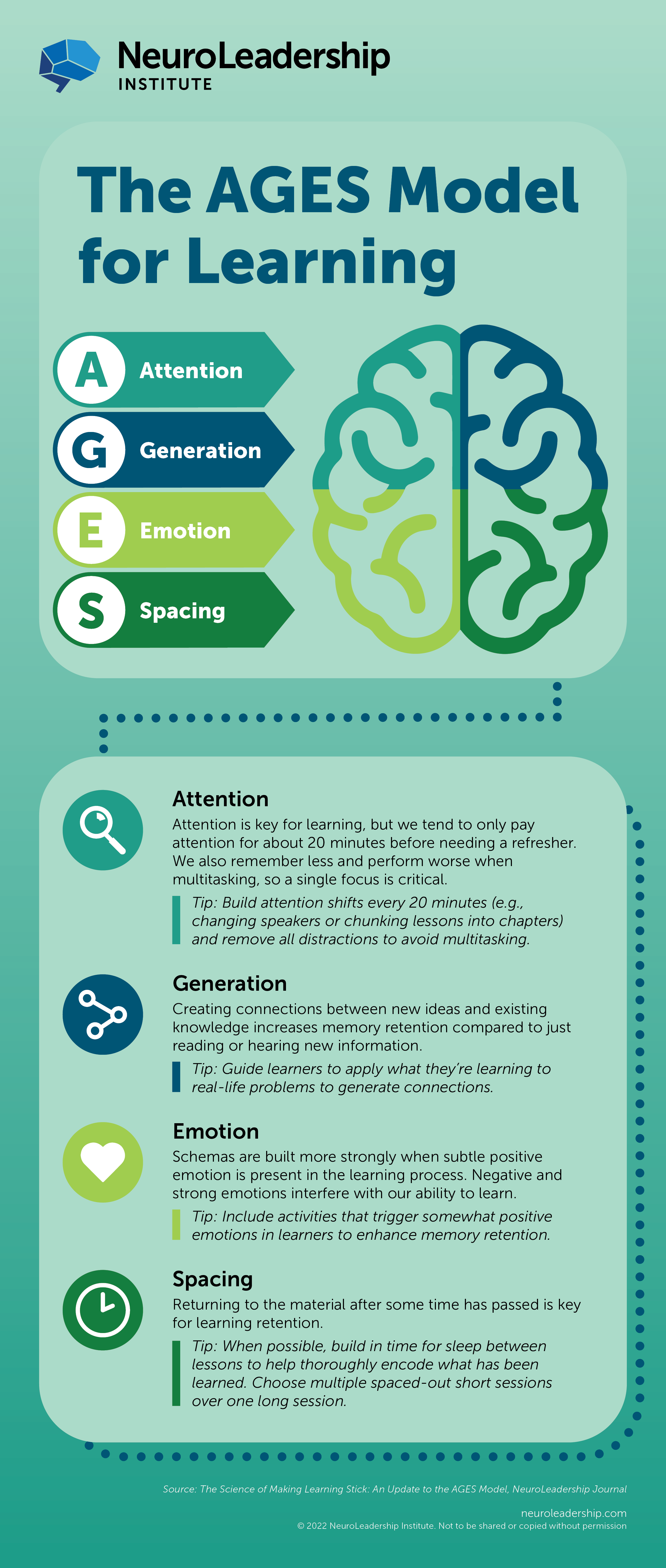
An infographic with the title “The AGES Model for Learning.” At the top of the image, the AGES acronym is broken out: attention, generation, emotion, spacing. Below that, there are four sections, one per letter, with the following information: Attention. Attention is key for learning, but we tend to only pay attention for about 20 minutes before needing a refresher. We also remember less and perform worse when multitasking, so a single focus is critical. Tip: Build attention shifts every 20 minutes (e.g., changing speakers or chunking lessons into chapters) and remove all distractions to avoid multitasking. Generation. Creating connections between new ideas and existing knowledge increases memory retention compared to just reading or hearing new information. Tip: Guide learners to apply what they’re learning to real-life problems to generate connections. Emotion. Schemas are built more strongly when subtle positive emotion is present in the learning process. Negative and strong emotions interfere with our ability to learn. Tip: Include activities that trigger somewhat positive emotions in learners to enhance memory retention. Spacing. Returning to the material after some time has passed is key for learning retention. Tip: When possible, build in time for sleep between lessons to help thoroughly encode what has been learned. Choose multiple spaced-out short sessions over one long session. At the bottom of the image, the source is listed as The Science of Making Learning Stick: An Update to the AGES Model, NeuroLeadership Journal
Subscribe to newsletter

Subscribe to receive the latest blog posts to your inbox every week.

By subscribing you agree to with our Privacy Policy.
Thank you! Your submission has been received!
Oops! Something went wrong while submitting the form.
Share This Post

Subscribe To Our Newsletter

Ready to transform your organization?

Connect with a NeuroLeadership Institute expert today.

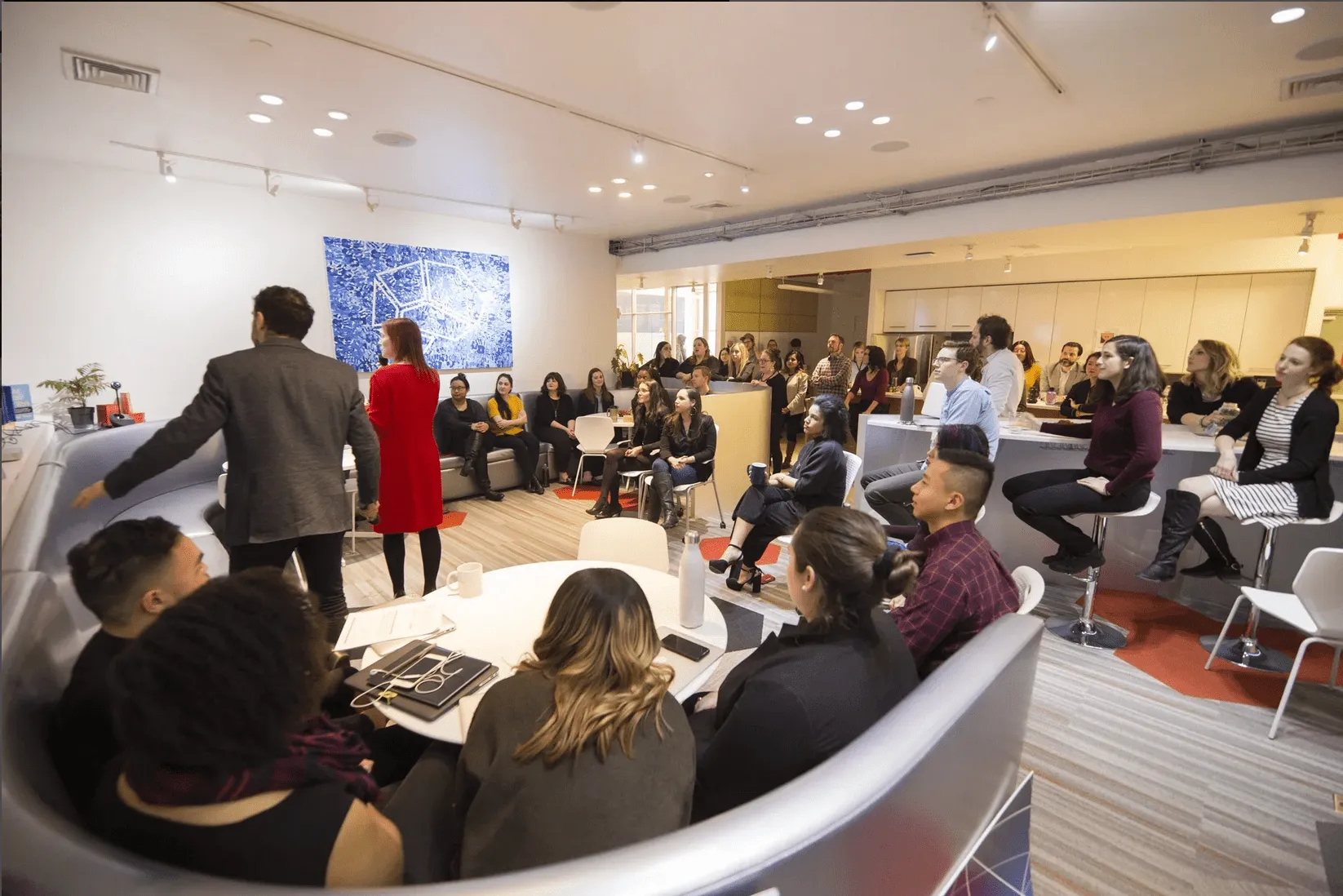
People sat round a curved desk in an office