Is AI Costing Us the “Stuff of Thought”?

Share This Post

The rise of AI agents found in all corners of the workplace, including high-stakes conversations – where bots can sometimes represent as many as half the expected group – is sparking a fundamental question: When we opt to offload our work to AI, such as when we skip a meeting and read the AI-generated summary, what are we really losing?

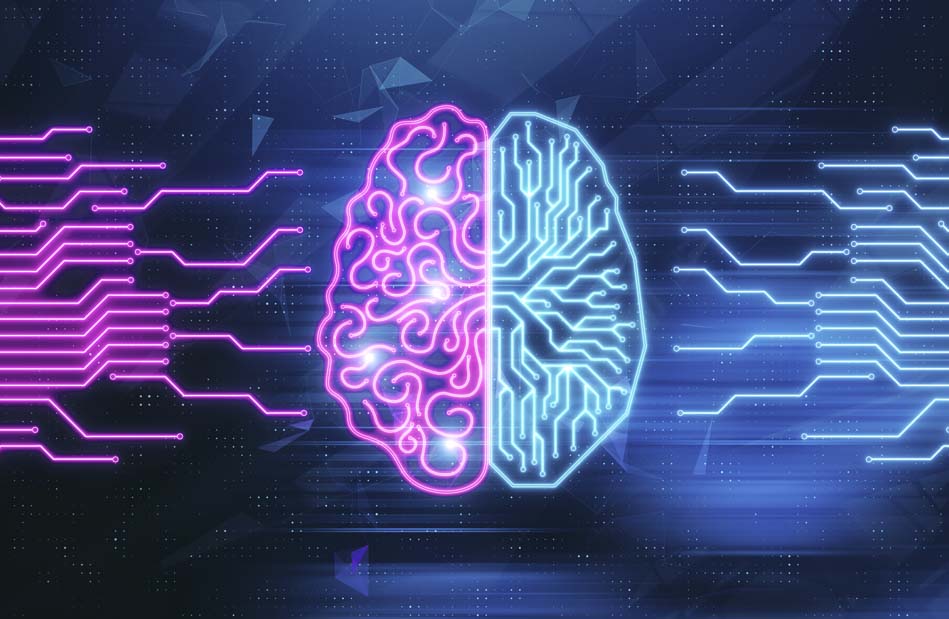
The convenience and attraction of cognitive offloading is undeniable. When we allow AI to take our place in thinking, it can both free up cognitive resources and speed up processing. However, this growing reliance on technology, especially given the widening productivity gap between those who use AI well and those who don’t, raises a critical concern: Are we sacrificing the “stuff of thought”—those unique cognitive processes that make human understanding and thinking rich and effective?

In a recent article, published in the Harvard Business Review, David Rock presents evidence from a neuroscience perspective that argues for the key types of thinking that are crucial for deep learning and insight – all of which we risk losing if we overrely on AI. For example, defaulting to AI weakens the quality of our attention, diminishes spreading neural activation, and takes away our chances for insight—the very qualities that define good thinking.

In our rush to embrace the speed of AI, we should learn to pause to reflect on what we’re handing over and find ways to preserve what makes us human—our attention, our deeper thought processes, and our moments of insight. The challenge isn’t whether to use AI, but how to use it wisely to amplify, not replace, our best thinking.

Read the full article: “What’s Lost When We Work with AI, According to Neuroscience”, recently published in the Harvard Business Review to understand what we risk sacrificing in an AI-driven world and how to protect the “stuff of thought.”

Subscribe To Our Newsletter

More To Explore

AI

Is AI Costing Us the “Stuff of Thought”?

The rise of AI agents found in all corners of the workplace, including high-stakes conversations – where bots can sometimes represent as many as half the expected group – is

Ready to transform your organization?

Connect with a NeuroLeadership Institute expert today.

two people walking across crosswalk

This site uses cookies to provide you with a personalized browsing experience. By using this site you agree to our use of cookies as explained in our Privacy Policy. Please read our Privacy Policy for more information.